The story in brief
The narrative ultimately highlights how the region transitioned from a rugged frontier into a thriving modern community shaped by wartime defense, resilient local residents, and an enduring connection to the water.
Full transcript
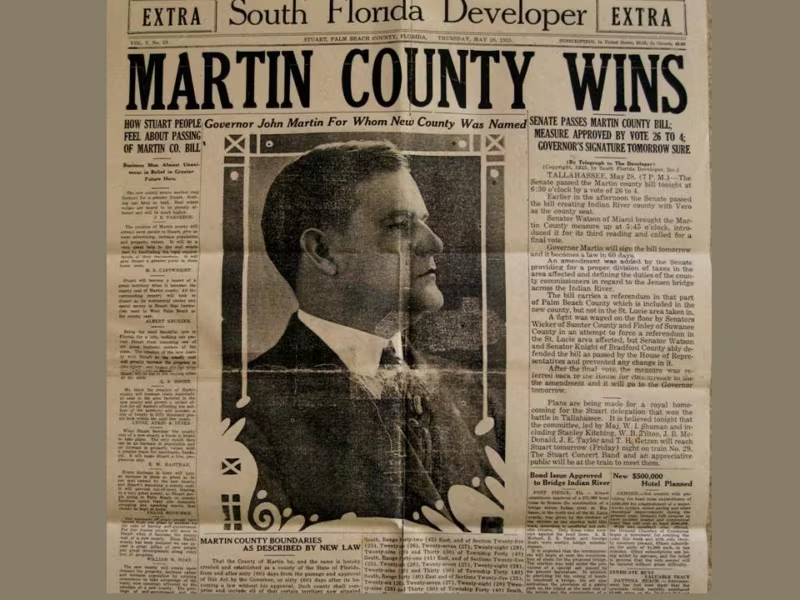
car From a wilderness of pinewoods saw grass and swamps Martin County was officially created in 1925 after a determined group of local businessmen convinced Governor John Martin that this stretch of the Treasure Coast deserved independence and would be a namesake to make him proud stuart was named the county seat and the county began operations out of an…
Read full transcript
car From a wilderness of pinewoods saw grass and swamps Martin County was officially created in 1925 after a determined group of local businessmen convinced Governor John Martin that this stretch of the Treasure Coast deserved independence and would be a namesake to make him proud stuart was named the county seat and the county began operations out of an old school building at the site of the present courthouse on East Ocean Boulevard the roaring 20s were a boom time in Florida and there were big plans for this new place called Martin County developers boasted of thriving agriculture abundant land for cattle and horse ranching and some of the best fishing and hunting to be found anywhere in
the United States locals would later report five US presidents took advantage of the fishing here and President Grover Cleveland actually bought some riverfront property though he never built on it there were plans to build a large city to the west in Indian Town anchored by the railroad that would bring settlers and visitors from the north and the St lucy Canal linking the Atlantic with the Gulf of Mexico for trade and tourism the CEO of Seabard Airline Railway intended Indian Town as the southern headquarters for his empire port Maka along Lake Okichchobee was planned as a playground for the wealthy with a yacht basin golf courses and even beaches locals grew pineapples citrus flowers and vegetables
and shipped them all over the globe the Jensen area was once dubbed the pineapple capital of the world but just when the pineapple operations were hitting their stride a severe freeze in 1895 wiped out much of the crop as farmers recovered they were dismayed when Henry Flaggler's railroad gave Cuban farmers an edge with better terms on shipping the fruit to northern markets eventually beans replaced pineapples as the Jensen cash crop and more farmers throughout the county returned to citrus flowers and vegetables local flower growers pioneered advanced techniques on controlling when plants bloom and Martin County once provided much of the nation's cut flowers and plants areas that are now home to residential and business development
once glowed with vibrant colors of mums pompoms and gladiolas competition from South America hurt the flower business over the decades and only a few large operations remain but Martin County still maintains a strong citrus and vegetable base along with large sod farms in several parts of the county cattle and horse ranching are also a major part of the local economy what is now Hope Sound was touted as the next Hollywood with grandiose names like Picture City and Olympia port Salerno became a worldclass fishing destination and commercial fishermen harvested all they could handle from the many rivers and waterways the early years were a time for bandits like the infamous Ashley gang who terrorized many Florida
communities from their Treasure Coast base and the Rum Runners who flouted prohibition by landing their alcohol shipments in Martin County before clearing customs in West Palm Beach it was a time for building new roads and bridges to encourage commerce and tourism with the first permanent bridges over the north and south forks of the St lucy River and the first bridge to Hutchinson Island from Jensen Beach but the Great Depression wiped out banks and developers who could no longer bankroll the projects property values plunged to as little as a $1.50 an acre a major hurricane hit in 1928 killing thousands in Port Maka when a levy failed and striking a major blow to the budding businesses
that were wiped out in the storm the devastation in Port Maka is marked with a memorial to the dead who lie in a mass grave at the site other symbols of the past remain in Indian Town the Seol Inn remains a vital part of the community and a testament to the dreams of the early settlers hope Sound's picture city still boasts the concrete street lamp posts that were to provide a grand view of the community and Olympia streets are still named for the gods and goddesses fishermen still flock to Port Salerno and other waterfront communities and Stewart remains the sailfish capital of the world with 21 mi of Atlantic coastline hundreds of miles of inland
waterways and the eastern shore of Lake Okachchobee boating has been a way of life in Martin County since the earliest settlements before railroads and highways crisscross the county residents and visitors traveled primarily by boat the waters off Florida can be treacherous particularly during hurricane season and in 1876 Gilbert's Bar House of Refuge opened on the south end of Hutchinson Island with keepers providing safe haven for travelers and shipwreck survivors it was the second in a series of 10 such refuge buildings along the Florida East Coast it is the only one still standing and it is now on the National Register of Historic Places early merchants supplied their wares by water fing tools and mail to
the area's residents boats took children to school before bridges were built over the St lucy River and fies were used to move the wagons and cars over the water for decades before the permanent bridges were in place the earliest hotels were houseboats that catered to fishermen and hunters the St lucy Canal was dug to link the east coast with Lake Okachchobee and on to the Gulf of Mexico it was finished in 1923 and remains an important cross-state waterway for both commercial and recreational vessels the St st lucy Inlet provides Martin County's outlet to the Atlantic Ocean but it wasn't nature's creation storms opened and closed inlets throughout the early years and attempts to dig one
by hand met with little permanent success in 1892 a dredge was brought in to handle the job and the project was made permanent in the 1940s when a cut was blasted in the offshore reef and a maintenance schedule was set up to keep it open today commercial and recreational fishing and boating remain main stays of the local economy on the heels of the depression came the Second World War which brought the battle directly to the community with German yubot just offshore a military training base in what is now Jonathan Dickinson State Park watchtowers along the Atlantic coast and an improved airport Wam Field which was named for a Martin County man who was killed in
action the barrier islands were declared off limits to civilians as military units patrolled on foot and horseback residents sometimes saw the smoke rising as the Ubot attacked freigherss just offshore the federal government built a waterfront gathering spot for servicemen and locals flocked to dances and other events at what is now the Steuart Recreation Center after the war returning servicemen and women settled in the communities growing throughout the county they opened stores and restaurants and hotels and law offices the railroad offered passenger service and the depot was a popular gathering spot for locals a strong hurricane flattened much of the community in 1949 but locals rebuilt always with an eye on the natural resources that made
the area a popular vacation and fishing spot and a wonderful place to raise a family